

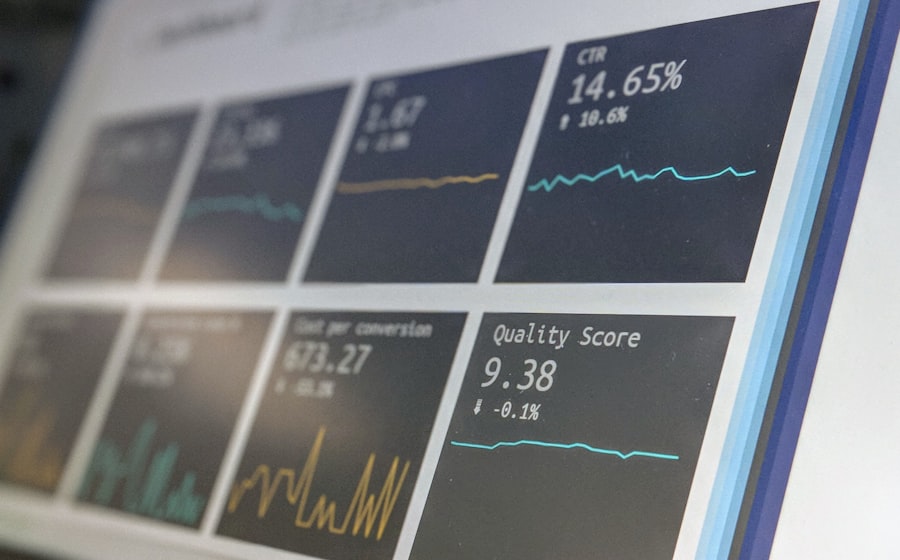












Hành lang văn phòng hiện đạiMáy tính xách tay hiển thị bảng số liệu tài chínhMàn hình bảng điều khiển giám sát vận hànhẢnh vệ tinh Trái Đất về đêm với ánh đèn đô thị

About VNTT

Vietnam Technology & Telecommunication JSC (VNTT), founded in 2008; shareholders are Becamex Group and VNPT.

Certifications & Standards

Management systems certified against international standards for quality and information security.

Legal & Data

We commit to protecting customer data in line with current personal data legislation.

Sustainability

Working with local communities on outreach and sustainable digital infrastructure.

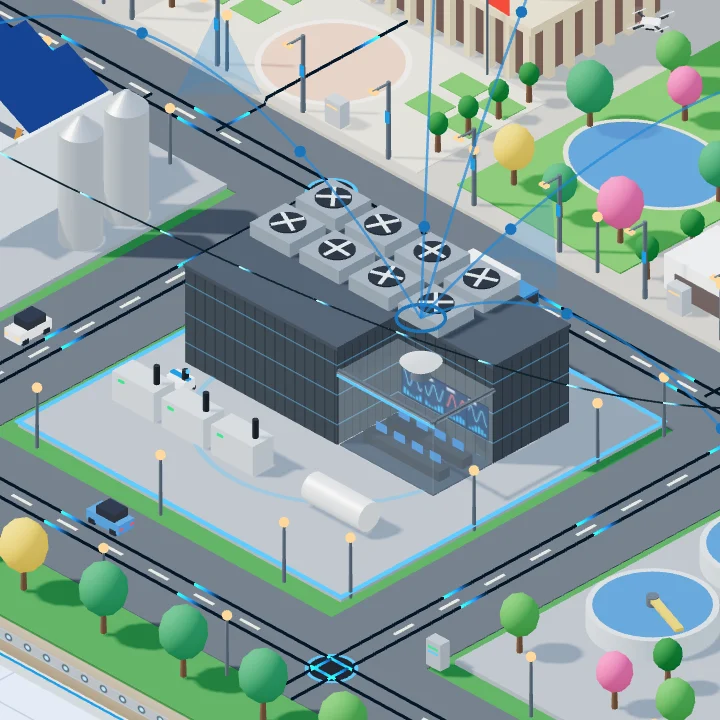
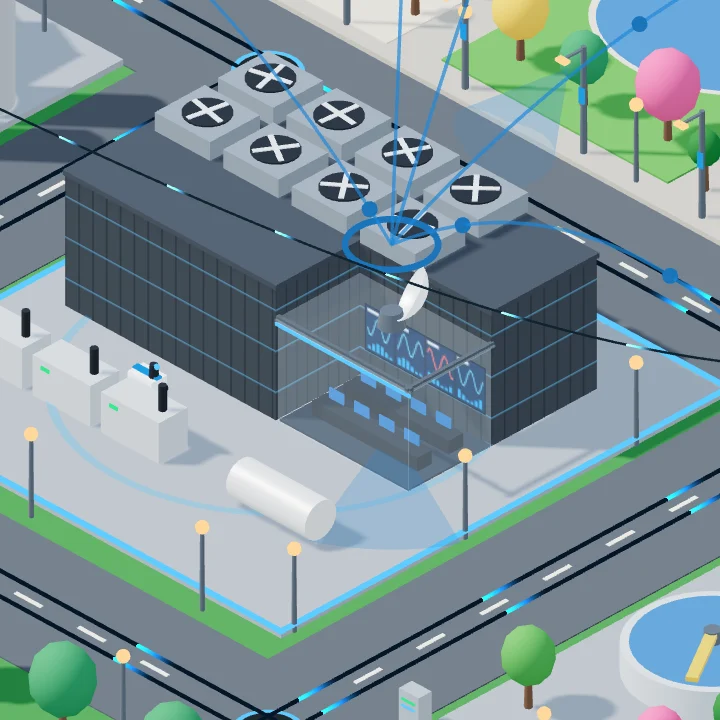
Minh họa đô thị thông minh và chính quyền số: tòa nhà điều hành, trung tâm IOCMinh họa giao thông thông minh: nút giao có camera, cảm biến và phương tiệnMinh họa giải pháp công nghiệp: nhà máy, kho bồn và hạ tầng sản xuấtMinh họa dịch vụ hạ tầng: các tuyến cơ điện, cấp nước, cáp ngầm dọc đườngMinh họa giải pháp doanh nghiệp: tòa nhà văn phòng, kho vận và hệ thống quản lýMinh họa viễn thông: tuyến cáp quang và kết nối mạng đô thịMinh họa trung tâm dữ liệu: khối máy chủ, hệ thống làm mát và nguồn dự phòngMinh họa an toàn thông tin: trung tâm giám sát an ninh mạng SOC

Smart City & Digital Government

VNTT's smart city platform brings data from cameras, sensors and sector software into one operations centre, where leaders follow the situation and staff handle cases to a set procedure.

See all smart city & digital government →

Smart Transport

An intelligent transport system (ITS) lets road authorities monitor whole routes, detect incidents and control traffic from one operations centre.

See all smart transport →

Smart Industry

Environmental monitoring, smart factories to ISA-95, smart warehouses with industrial robots, and smart industrial parks run from an IOC.

See all smart industry →

Infrastructure services

VNTT infrastructure services cover operation and maintenance of electrical, mechanical, water supply and drainage, lighting, camera and substation systems for industrial parks, factories and buildings.

See all infrastructure services →

Enterprise Solutions

VNTT enterprise solutions combine software that VNTT develops and owns the source code for with integration and operations services, so businesses do not have to combine several vendors.

See all enterprise solutions →

Telecommunications

VNTT telecommunications services run on a GPON fibre network that VNTT has built and operates in VSIP, Becamex and other industrial parks, with an SLA in each contract.

See all telecom →

Data Center

VNTT eDatacenter is a data centre built to TIA-942 Tier 3, with 99.982% availability and 400 42U racks, offering colocation, VPS, Dedicated Server, backup and data storage in Vietnam.

See all data center →

Information Security

VNTT's Security Operations Center (SOC) monitors business infrastructure 24/7, detects and investigates threats, and also protects industrial control networks.

See all SOC services →
Bo mạch điện tử cận cảnhMàn hình mã nguồn phần mềmNhóm làm việc với máy tính xách tay

VNTT news

Official information on VNTT's business, new products and milestones.

Technology blog

Expert perspectives on digital infrastructure, cloud computing, information security and digital transformation.

Events

Events VNTT hosts or co-hosts with partners in Vietnam and abroad.

Máy tính xách tay hiển thị bảng số liệu tài chínhNhóm làm việc với máy tính xách tayHành lang văn phòng hiện đạiKỹ thuật viên làm việc giữa các tủ rack trong trung tâm dữ liệu

Reports

All reports are published on time in line with disclosure requirements.

General Meeting of Shareholders

Complete documents from annual and extraordinary general meetings.

Information disclosure

The company charter, internal governance regulations and ad-hoc disclosures.

Shareholder support

The investor relations team receives and answers enquiries during office hours, Monday to Friday.

Nhóm làm việc với máy tính xách tayHành lang văn phòng hiện đạiLớp học với học sinh và giáo viên

Careers

VNTT is continually looking for engineering, commercial and operations people for its digital infrastructure projects.

The people of VNTT

An engineering culture that values accountability and continuous learning.

Training & Benefits

In-house training programmes, professional certifications and clear benefits.

Technology articles

The four data layers an industrial park should standardise first

16.09.2026 8 min read 1,254 views Share:

Most industrial park management boards begin digital transformation by choosing software. From what VNTT has seen across its shared infrastructure projects, that order usually ends with a purchase nobody can use, because the base data was not ready.
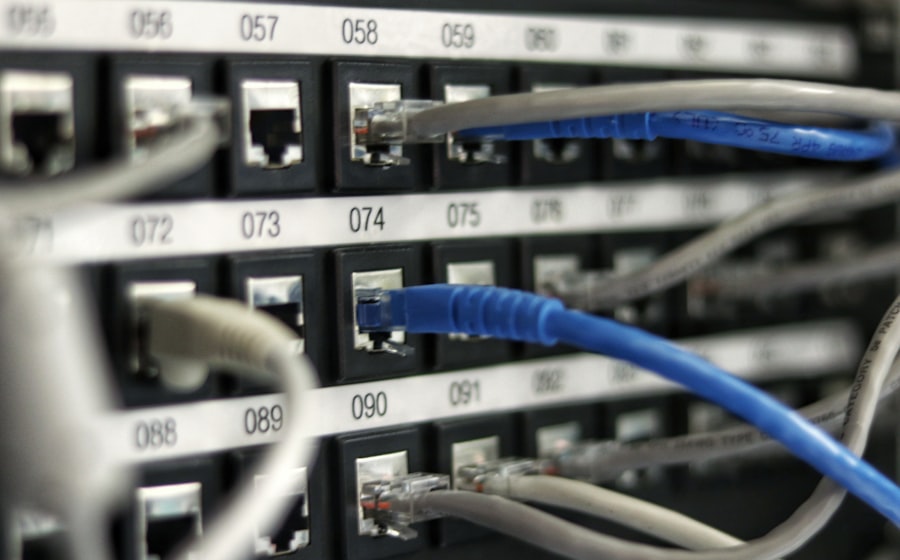
Shared telecom infrastructure inside the industrial park
Shared infrastructure at an industrial park VNTT delivered in Binh Duong.

The problem is the data, not the software

A typical industrial park has dozens of separate systems: power, water, cameras, access control, land leases, environmental monitoring. Each was installed by a different contractor and uses a different identifier for the same plot of land.

When you buy centralised management software, most of the deployment time goes not into configuring the software but into checking whether “plot B-12” in the electrical system is the same thing as “B12” in the lease.

Standardising the base data takes three months. Skip that step and a six-month software project usually stretches to eighteen.

Four layers to standardise

Layer 1: spatial identifiers

Every plot, every building and every electrical cabinet needs a single identifier shared across all systems. That identifier should carry geographic coordinates so it can go on a map, rather than being just a row number in a spreadsheet.

Layer 2: tenant directory

The list of secondary investors, their sectors, leased area and contract terms. This is the layer that changes most often, so it needs a single updated source rather than a separate copy in every department.

Layer 3: infrastructure indicators over time

Electricity consumption, water flow, wastewater flow, bandwidth. This data must map back to layer 1 to answer the question “which plot is using an unusual amount of power?”

Layer 4: events and response

A power outage, a wastewater threshold alert, a repair request. For every event you need to know who handled it and how long it took. This is the layer that lets you measure operational quality rather than merely describe it.

Recommended order of deployment

  1. Agree the spatial identifiers with everyone who operates a system.
  2. Move the tenant directory into a single database with controlled update rights.
  3. Connect meters and sensors to a data collection platform and tag them according to layer 1.
  4. Only once the three layers above have run steadily for at least a quarter should you deploy central operations software.

Conclusion

Operations software is only as good as the data it receives. Three months spent standardising the base data is the cheapest investment in an industrial park’s entire digital transformation.

Build the digital future with VNTT

Supporting businesses and cities on a sustainable digital transformation journey. Subscribe to the newsletter for analyses, whitepapers and the monthly event calendar.

Explore the solutions →
Zalo chat Hotline 1800 9400